Bold Hues Return: Understanding Color Psychology in Fashion
Why we're drawn to certain colors and how designers use this knowledge

For the past decade, fashion embraced restraint. Beige, gray, navy, and black dominated wardrobes and runways. But something shifted. Recent collections burst with cobalt blue, electric coral, vivid green, and sunset orange. This isn't random - it reflects cultural mood, designer intention, and psychology's powerful influence on how we dress.
The Psychology of Color
Colors trigger emotional and psychological responses. Red elevates heart rate and signals confidence or danger. Blue induces calm and trust. Yellow radiates optimism and energy. These aren't culturally neutral - color meanings vary globally - but within contexts, they're remarkably consistent.
Designers exploit this knowledge intentionally. A bold red dress creates presence and demands attention. A soft lavender shirt communicates approachability. Neon green? That's disruption, modernity, challenging convention. Understanding these associations allows you to dress strategically for desired impact.
Cultural Moment Reflects in Palette
Fashion's color evolution mirrors societal shifts. The neutral minimalism of the 2010s reflected economic uncertainty and digital screen fatigue - people craved simplicity. Today's color resurgence suggests optimism, desire for joy, pushing back against prolonged restrictions and heaviness. Bright colors feel celebratory, defiant even.
"Color is emotional expression. In difficult times, we might retreat to neutrals. When we're ready to engage again, color returns." - Color forecaster, Pantone
Practical Color Strategy
You don't need to wear head-to-toe brights to participate in this moment. Strategic color deployment creates impact:
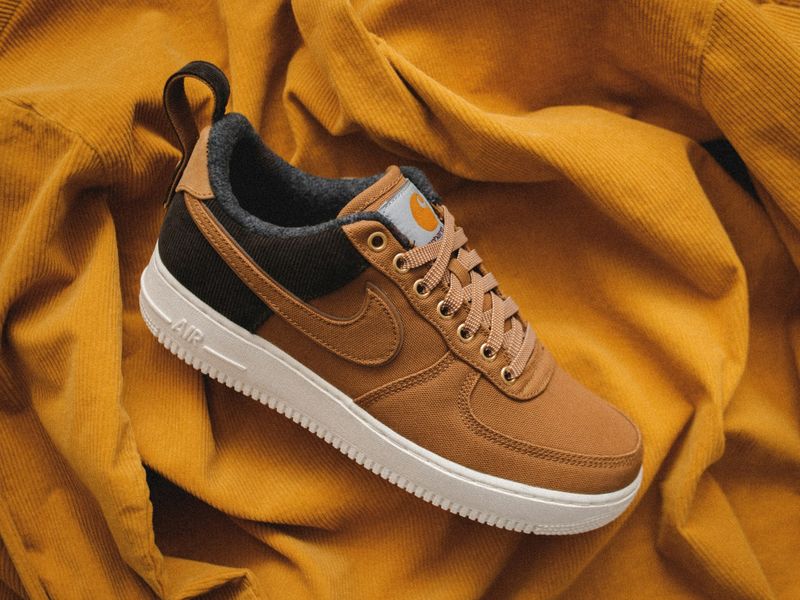
Accent with accessories: A vibrant bag or shoes energizes neutral outfits
Single statement piece: One bold item becomes focal point
Color blocking: Pair complementary or contrasting hues for sophistication
Consider undertones: Warm vs cool undertones affect how colors suit you
Context matters: Bright colors read differently in professional vs casual settings
Beyond Trends: Personal Color
While understanding color psychology and trends helps, your personal response matters most. What colors make you feel confident? Which ones align with your self-perception? The "right" color is one that serves your needs - whether that's standing out, blending in, or communicating something specific about who you are.
Fashion's chromatic shift gives permission to experiment. If you've lived in neutrals, try introducing one color that intrigues you. Notice how it affects your mood and others' responses. Color is tool, not rule - use it intentionally to support how you want to move through the world.
About Leo Kim
Leo Kim covers personal style, street fashion, and the business of fashion for Nova. His accessible approach to style encourages readers to develop their own aesthetic rather than follow trends blindly. Leo spent years working in fashion retail before transitioning to editorial work, giving him unique insight into how people actually dress versus runway fantasies. His popular column "Style Sessions" breaks down looks from fashion's most influential dressers with practical tips for real-world application.