Beyond the Hype: Digital Art in the Post-NFT Era
What happens when the bubble bursts and the artists remain
The NFT goldrush is over. Prices have cratered, hype has evaporated, and the blockchain's promise to democratize art has largely failed to materialize. Yet digital artists continue creating, exhibiting, and building careers. What does their landscape look like now?
Life After the Crash
"The crash was actually liberating," says Sasha Stiles, a digital poet and artist who creates AI-assisted work. "It separated the artists from the speculators. Now we can focus on making meaningful work instead of chasing floor prices." This sentiment echoes across conversations with digital artists who weathered the boom and bust.
A Slower, Sturdier Ecosystem
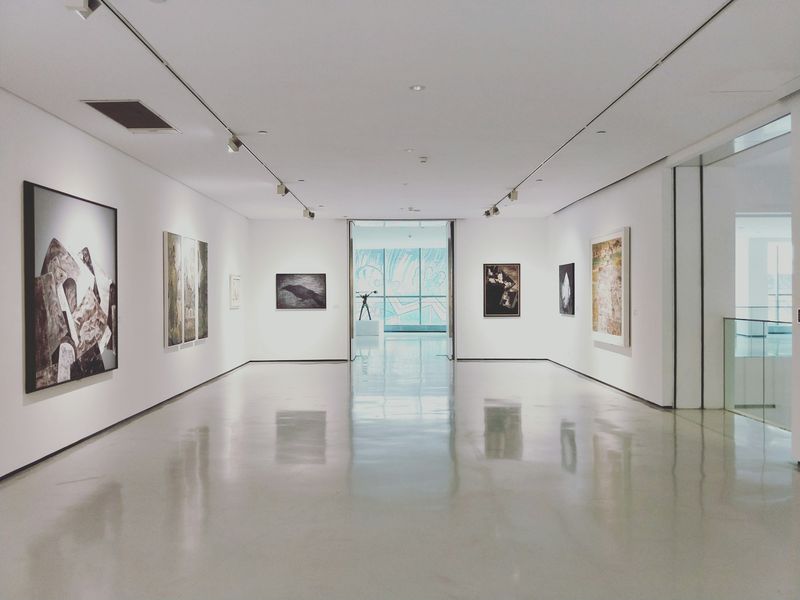
What's emerging is a more mature digital art ecosystem. Galleries that added NFT departments during the frenzy now present digital work alongside traditional mediums, without the blockchain dogma. Museums are acquiring digital pieces for permanent collections, legitimizing the form beyond speculative markets. Artists are developing sustainable practices - selling editions, offering commissions, licensing work - that don't depend on cryptocurrency volatility.
The Tools Did Not Go Away
The technological possibilities remain compelling. AI tools enable new forms of creativity. VR exhibitions reach global audiences. Digital canvases offer possibilities impossible in physical mediums. These capabilities didn't disappear with the NFT bubble - they're simply being used with more intentionality now.
What Comes Next
Digital art's future won't look like the 2021 NFT frenzy predicted. It will likely resemble traditional art markets more closely - with galleries, collectors, critics, and institutions all playing roles. The difference is the medium and its unique possibilities. As the noise fades, the signal becomes clearer: digital art is here to stay, with or without blockchain.
About James Martinez
James Martinez writes about the intersection of art, music, and digital culture for Nova. His thoughtful essays explore how creative movements shape contemporary society, from underground art collectives to viral TikTok trends. Before joining Nova, James was a curator at a contemporary art gallery in Brooklyn and contributed to Artforum and The Fader. He holds an MFA in Critical Writing from CalArts and believes that culture criticism should be as accessible as it is intellectually rigorous.