Beyond the Lookbook: Editorial Fashion Photography as Storytelling
How fashion imagery creates narrative, mood, and meaning
Flip through any high-fashion magazine and you'll find two types of imagery: e-commerce product shots showing garments clearly, and editorial features where clothing serves a larger narrative. The latter is where fashion photography becomes art - images that linger in memory not because of what's worn, but what's communicated through how it's worn, styled, lit, and framed.
Story First, Clothing Second
Great editorial photographers begin with concept, not clothing. They ask: What's the mood? Who is this character? What world do they inhabit? Where are they going, coming from? What just happened or is about to? These narrative questions drive every creative decision - location, casting, styling, lighting, composition.
Consider Tim Walker's fantastical narratives, Nick Knight's avant-garde experiments, or Juergen Teller's raw intimacy. Each photographer has distinct visual language, but all prioritize story. The clothing matters as costume, character detail, or visual texture - not as product to be documented from multiple angles.
Building Visual Worlds
Location and set design create context. Shooting couture in urban decay creates tension between luxury and grit. Placing evening wear in domestic interiors suggests private performance. Natural landscapes imply freedom or isolation. Every environmental choice adds narrative layer.
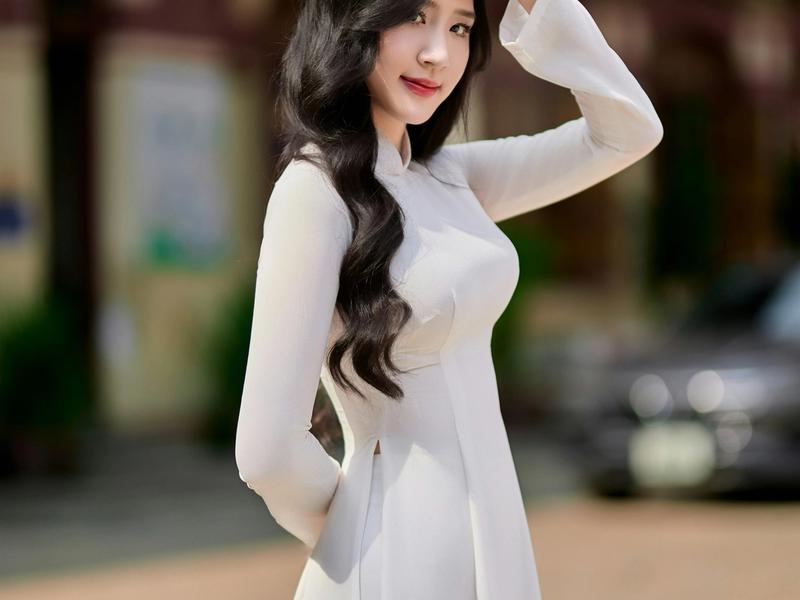
Styling extends beyond garments to hair, makeup, props, body language. A model might look at camera (confrontational) or away (introspective). They might move dynamically (energy) or hold still (contemplation). These choices accumulate into coherent mood and character.
"I want viewers to wonder what happened before and after the frame. The image should feel like middle of a story, not standalone moment." - Editorial fashion photographer
Technical Craft Serves Vision
Lighting establishes atmosphere immediately. Hard, directional light creates drama and tension. Soft, even lighting feels ethereal or commercial. Warm tones suggest intimacy or nostalgia; cool tones feel modern or distant. Color grading in post-production reinforces these moods.
Composition guides viewer attention and creates visual rhythm across editorial spreads. Wide establishing shots set scene; tight portraits reveal emotion; detail shots highlight textures. Varied compositions maintain visual interest while serving narrative flow.
Collaboration as Creative Process
Fashion editorials require extensive collaboration: photographer, stylist, hair and makeup artists, set designers, models, assistants, editors. The photographer directs this team toward unified vision, but great photographers recognize everyone's creative contribution.
"My best shoots feel like creative play," says Sofia Chen, who photographs for international magazines. "When the team is aligned on concept, everyone brings ideas that enhance it. The stylist suggests unexpected combinations, the model improvises movement, the makeup artist adds narrative detail. Collaboration elevates the work beyond what I could envision alone."
Commercial Considerations
Even the most artistic editorial serves commercial purpose - it promotes designers, magazines, and photographer's own work. The tension between artistic vision and commercial requirement defines editorial photography. Successful photographers balance both: creating compelling narratives while ensuring clothes are visible and appealing.
This constraint can inspire creativity. How do you make commercial content that's also artistically satisfying? The best editorial photographers treat this as challenge rather than compromise, finding ways to serve both masters. The result is images that sell clothing while also functioning as standalone art - fashion photography's unique achievement.
Fashion photography matters because it demonstrates that commercial work can be artful, that constraints can inspire rather than limit, and that storytelling exists everywhere - even in how we photograph clothing. The editorial image proves that if you approach any subject with imagination, care, and intention, you can create something meaningful. That lesson extends far beyond fashion into any creative practice balancing artistic vision with practical requirements.
About Aisha Williams
Aisha Williams is a London-based photographer whose intimate portraiture and street photography capture the poetry of everyday moments. Her visual essays for Nova blend documentary authenticity with editorial sophistication, creating narratives that resonate long after the first viewing. Aisha's work has been exhibited internationally and featured in i-D and Dazed. She's particularly interested in exploring identity, community, and the quiet power of human connection through her lens.